
Car-Wash Operators Find RFID Helps Them Clean Up
EPC RFID tags attached to car windshields quickly identify regular customers and make sure their vehicles get all the services they signed up for.

EPC RFID tags attached to car windshields quickly identify regular customers and make sure their vehicles get all the services they signed up for.

As the price of raw crude soars, companies must find ways to reduce transportation and other costs. RFID could help.
Comments received by the FDA show a preference for RFID technology—generally EPC—for a pharmaceutical e-pedigree identification system, with 2-D bar-coding as a backup.
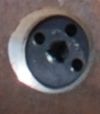
Trailblazer is among the drilling companies using a ruggedized RFID tag that its manufacturer, Merrick Systems, says is the toughest in the market.
The latest quarterly RFID market forecast from ABI Research predicts strong growth for most technology and application segments. The study predicts 15% compound annual revenue growth from 2007 to 2013, with slowing growth in mature segments and falling prices masking stronger advances in unit sales and emerging sectors.
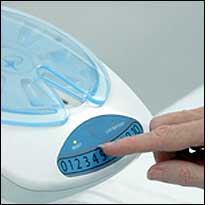
A clinical trial at the Halifax Health Medical Center shows the device helps patients better control pain, while also saving nurses time.

By using RFID and bar codes, the Finnish tire manufacturer can monitor reels of rubber tread, thereby improving workflow on the assembly floor.
Research firm predicts strong growth for RFID market; RFID passes inspection for marine industry supplier; U.S. Air Force Medical Service awards RFID contract; Polaris Networks intros conformance testing tool; Visible Assets unveils RuBee Pilot Kit; Advanced ID takes RFID tire products to India and Indonesia.
Baird has released its May report. The 23-page document is a worthwhile read for anyone requiring an overview of the industry’s last 30 days. For those without time to do so, we have reprinted here the report’s summary.
A VeriChip executive warned that the business is currently too small to be sustainable after the company reorganized last week. VeriChip now lacks revenue streams to fund its development and marketing of human-implantable RFID chips to support medical care, leading to questions about the company’s very viability.