And the Winner Is…
Folio magazine nominated RFID Journal LIVE! as one of the three best conferences and expositions produced by a magazine publisher.

Folio magazine nominated RFID Journal LIVE! as one of the three best conferences and expositions produced by a magazine publisher.
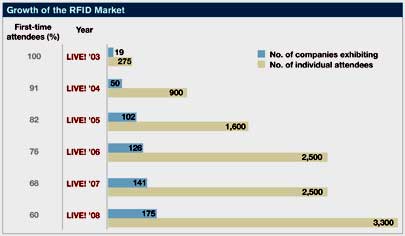
An analysis of attendance at RFID Journal LIVE! over the past six years indicates that the adoption of RFID technologies is starting to take off.
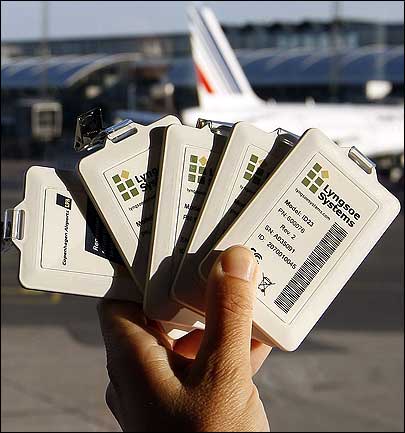
The airport is testing a system combining active RFID and Bluetooth technologies to create a detailed flow map of passenger traffic through the terminal, enabling it to reduce delays and improve its layout.
TAGSYS announced a new line of high frequency tags and readers optimized for textile applications, including commercial laundry and uniform rentals.
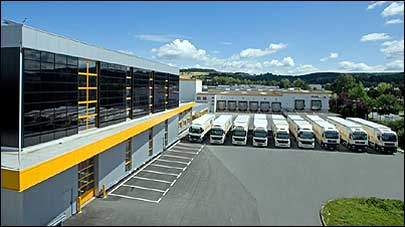
The pallets’ supplier has fitted the pallets with EPC RFID tags to track how long each one is in use, billing Heuchemer accordingly and potentially saving the company 25 to 50 percent.

Passive RFID tags deployed at the bottom of the Gulf of Mexico for four months continued to operate once retrieved, according to the technology’s developer, Wescorp Energy.
Cisco teams up with RFID vendors on advanced location tracking; polish ministry of defense arms itself with active RFID; Omron takes RFID reader to Mexico, Brazil; Tagsys intros RFID system for textiles; Zetes, Schmidt partner to supply RFID across Europe and Asia.
Cisco announced its new Cisco Motion vision to simplify integration of mobility technologies. The centerpiece is the Mobility Services Engine, which can supplement RTLS location data with sensor information about an item’s status and condition. RTLS, RFID, and enterprise IT companies are supporting the initiative with software development.
Itella, which operates the postal system in Finland, is implementing passive RFID readers at its 11 postal distribution systems to track, time, and analyze the flow of 7,000 to 8,000 sample pieces of mail with embedded RFID tags that will be placed into the system monthly.
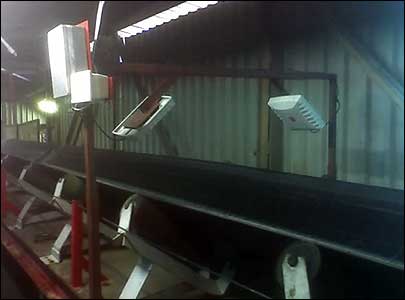
Several South African mines are using semi-active UHF RFID tags to identify gold and waste rock as material leaves blasting sites.