
The T5 Debacle
Airports don’t have to wait for a global system to benefit from RFID baggage tagging at individual terminals.

Airports don’t have to wait for a global system to benefit from RFID baggage tagging at individual terminals.

As the hospital tests the system’s ability to track patients, staff and assets, it also plans to check for any potential electromagnetic interference that may disrupt medical equipment.
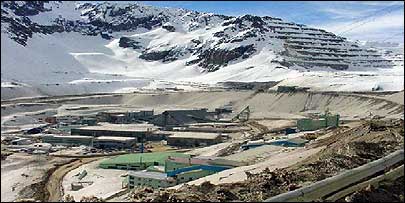
The company’s timekeepers will employ EPC Gen 2 RFID readers to capture the identities of construction workers, and to clock their hours at a Chilean mining site run by Anglo American.
The Oil & Gas RFID Solution Group announced it has formed to develop process and technology standards to support RFID adoption in the petroleum and natural gas industries. The organization is evaluating use cases and technology requirements for both internal and supply chain operations.

Executives will need to sort through some of the distorted reporting on recent studies of RFID’s impact on hospital equipment.
The RFID Research Center has released a report on the feasibility of item-level tagging in the apparel sector, and another on the politics of RFID.
Six sites in the state of Victoria are working with the Department of Primary Industries to demonstrate the economic benefits of using RFID tags to identify individual animals.

The logistics and security services provider has switched to Avery Dennison AD-224 RFID inlays to increase read range, data storage and security.
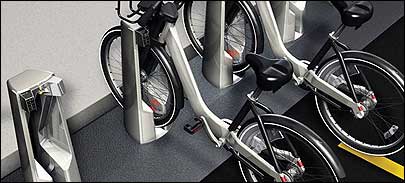
The city provides an update on its plan to roll out RFID-enabled bicycles that commuters can use for short trips from transit stations to an office or store.
ConocoPhillips installed an active RFID system from IDENTEC Solutions to provide real-time location data for employees working on oil drilling platforms off the coast of Norway. Location data is available on the rigs and at mainland locations to help rescue workers find employees in an emergency.