
At Winter Resort, RFID Goes Downhill
Glissades des Pays d’en Haut, in Quebec, is using passive UHF tags to track the operation of its multi-passenger sleds, and to make sure they hurtle down the trails safely, one at a time.

Glissades des Pays d’en Haut, in Quebec, is using passive UHF tags to track the operation of its multi-passenger sleds, and to make sure they hurtle down the trails safely, one at a time.

Having completed a two-year pilot program that generated $9 million in cost savings, Intel and its partners want to bring the Internet of Things to your manufacturing facility, too.
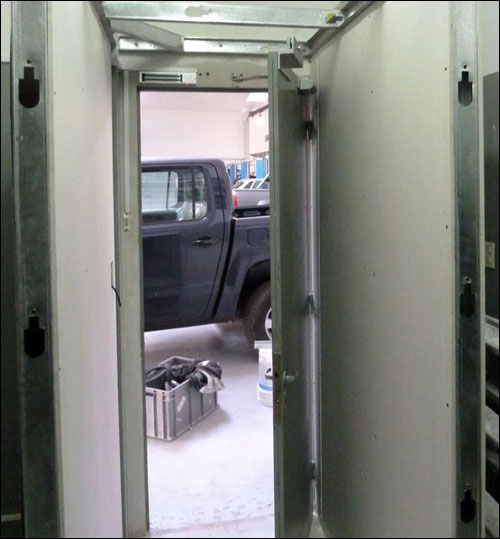
The company is already using passive UHF tags to track tools, and expects sometime next year to begin tagging the Audi and Volkswagen cars it sells and maintains.

When paired with smartphones or tablets, these lightweight, low-cost devices can be used for a variety of business applications.

Companies should leverage standards to achieve supply-chain visibility.

These RFID applications can give retailers the upper hand.

Here’s how to protect RFID applications from hackers.
The United States has been a leader in the radio frequency identification industry to date, but Brazil is emerging as a potential player as well, thanks to a number of deployments and innovations within that country.

Having input from an RF technology expert could prevent companies from investing in duplicative technologies or systems that would interfere with one another.

The company has changed music forever and had a big impact on publishing—and now it’s taking aim at a growing segment of the financial sector.