IoT News Roundup
Google treks into smart cities with Sidewalk Labs; BluVision’s iBEEK+ can serve as sensor-packed beacon; consumers like IoT for energy savings, says survey; new software for workplace wearables.

Google treks into smart cities with Sidewalk Labs; BluVision’s iBEEK+ can serve as sensor-packed beacon; consumers like IoT for energy savings, says survey; new software for workplace wearables.

With the appointment of Carlo Nizam to head its digitalization strategy, the airplane maker is charting a flight path toward greater efficiency and profitability.
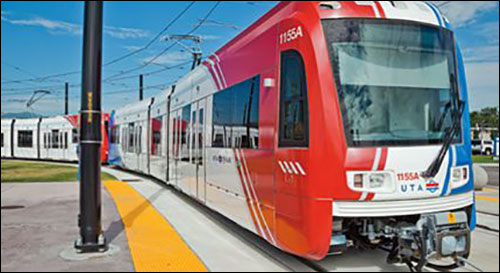
UTA is deploying passive RFID tags and readers to manage rail cars and components, schedule their maintenance and inspection, and comply with federal rules.

Four predictions about the ways in which the IoT will impact our lives and workplaces a decade from now paint a future in which technology makes us better communicators, healthier eaters and more collaborative.

BluVision announces iBEEK+ beacon with extended battery life ••• Zebra intros Onecare service to help companies manage RFID, mobile devices ••• Readymix chooses LogiTag active RFID solution to safeguard employees ••• Stanley Healthcare announces smaller RTLS badge ••• Impinj updates reader software, support package.

The San Diego-based beacon manufacturer is beginning to move toward licensing its firmware and cloud-based services to companies that could benefit by connecting more directly with their customers.
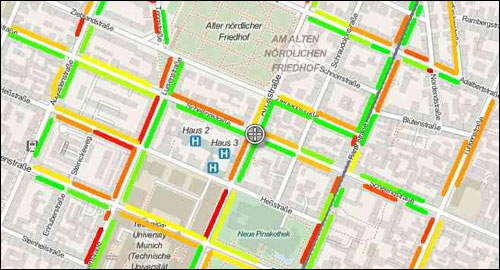
Big-data company INRIX is increasingly reliant on location data crowdsourced from drivers using its navigation app for visibility into traffic—and now, parking availability.

Since the deployment in February, the trust has tagged 250,000 files and conducted more than a million read events using a UHF RFID solution from 6PM Group.
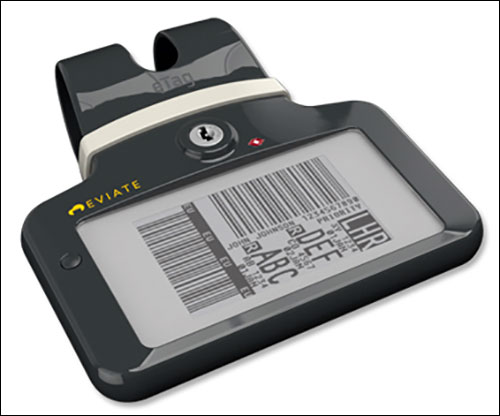
Two devices, to be used separately or together, could help travelers stay connected with their bags, and provide airlines and airports with a new marketing and loyalty program channel.

As Internet of Things devices proliferate in stores, in the supply chain and in consumers’ hands, retailers have a great opportunity to optimize and correlate data from multiple sensor types to better understand and respond to shoppers’ changing needs.