IoT News Roundup
McKinsey Global Institute offers rosy forecast, with warnings, for IoT market; Curb’s crowdfunding off to strong start; M2M service provider Aeris to launch analytics software tools; Fujitsu turns to IQP Corp. for app development.

McKinsey Global Institute offers rosy forecast, with warnings, for IoT market; Curb’s crowdfunding off to strong start; M2M service provider Aeris to launch analytics software tools; Fujitsu turns to IQP Corp. for app development.
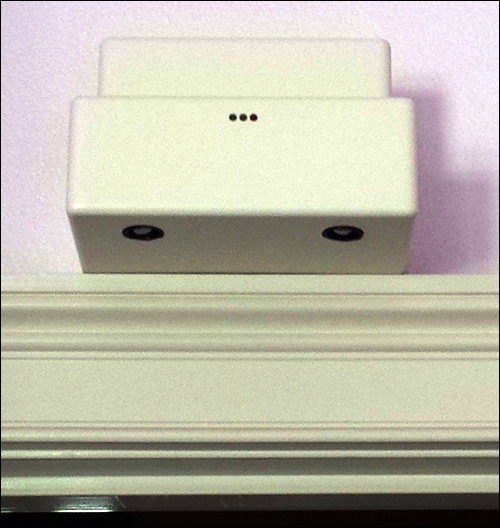
The company says its readers will be so inexpensive and easy to deploy that they can be installed in every doorway, thereby providing room-level visibility at less cost than an RTLS.
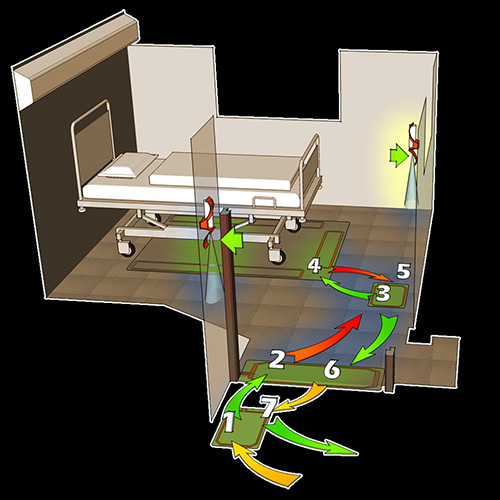
French startup MediHandTrace is providing hospitals with a system that uses RFID-tagged footwear to track whether staff members are following proper hand-hygiene protocols.
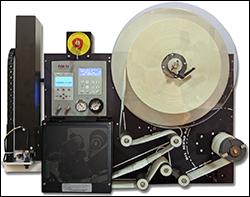
Fox IV introduces new RFID printer-applicator ••• Imagotag announces multimillion-euro ESL contract with international retailer ••• Cisco, Identiv collaborate on RFID-enabled physical access security ••• Gimbal, PlaceWise Media partner on beacons and apps for retailers ••• Beacon, IoT adoption by airlines set to soar, new SITA report finds ••• AIM creates new committee to promote track and trace for the food industry.
Alliander, Holland’s largest grid operator, has entered into a partnership with 15 cities, enabling their local governments to use an IoT application to control streetlights and conserve energy.
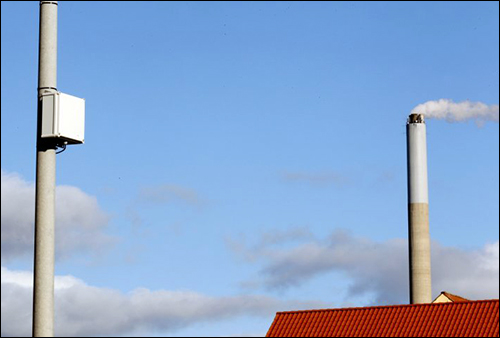
A Bluetooth-based solution from BLIP Systems employs sensors to capture transmissions from phones and other Bluetooth-enabled devices in trucks and cars, as well as software on a hosted server to analyze traffic conditions and prompt the display of alerts on traffic signage.

The company’s RFID-enabled hard case, known as a trunk stock kit, uses a cellular connection to transmit the status of the implantable items and surgical tools stored inside it.

RFID enables retailers to turn local inventory into global inventory.

End users and solution providers must work together to realize business value from massive amounts of information.

Hospitals that ask the right questions can make a smart decision when choosing a real-time location system.