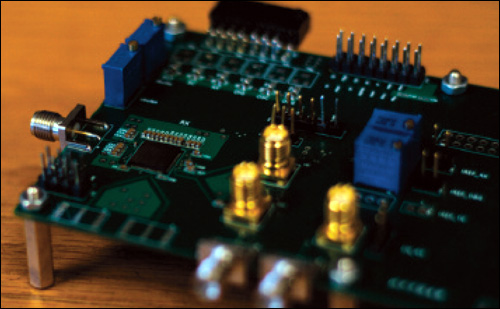
RFID Blood Sensors for the Developing World
A scientist for a nonprofit and a researcher at MIT have created a low-cost device that could free up health workers to care for patients.

A scientist for a nonprofit and a researcher at MIT have created a low-cost device that could free up health workers to care for patients.
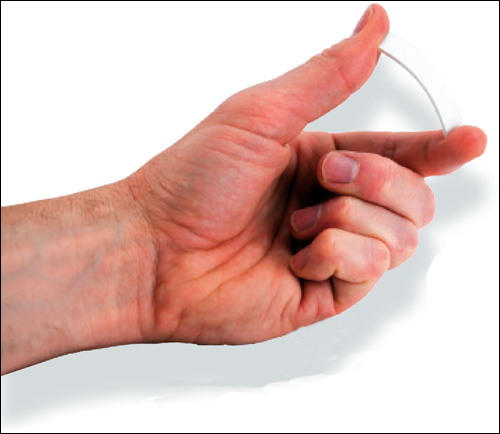
Now it’s easy and economical for companies to monitor the condition of their assets, products, buildings and machinery in any environment.
Department and specialty retailers now see the value in RFID-tagging and tracking a wide range of items, including cosmetics, electronics, furniture, homeware, office products and sporting goods.
Now is a good time for small businesses and nonprofits to use the technology to manage inventory and improve efficiencies. Here are the issues to consider for a successful deployment.

To reduce the risk of a hack, a company needs to look at all the ways data is collected, analyzed and shared, and how devices can be accessed, controlled and managed.
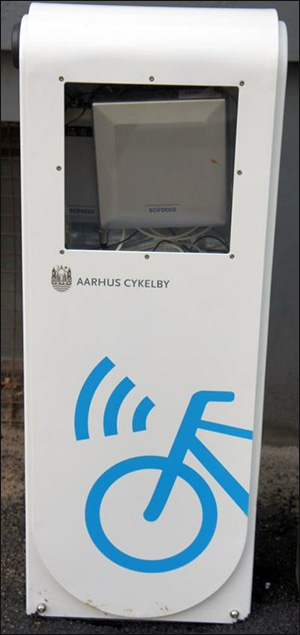
The Danish city is testing a system provided by RFID company ID-advice that turns the light green when it detects the presence of a bicycle at the intersection.
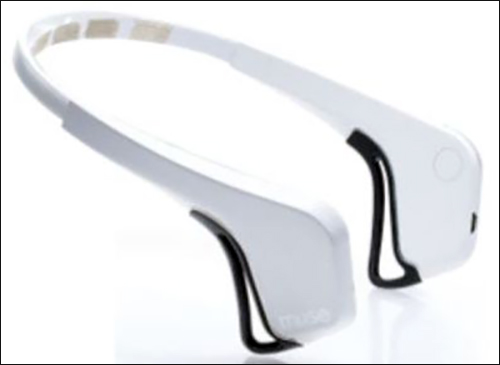
The Las Vegas facility is trialing a system that measures a patient’s brain waves and—based on that data—delivers games, music and video content via a tablet in order to lessen pain, anxiety or nausea.
The Las Vegas facility is trialing a system that measures a patient’s brain waves and—based on that data—delivers games, music and video content via a tablet in order to lessen pain, anxiety or nausea.
The Japanese electronics company is offering Daily Support—a solution for tracking physical activity, sleep and food intake—to employers, health-care providers and insurance companies.
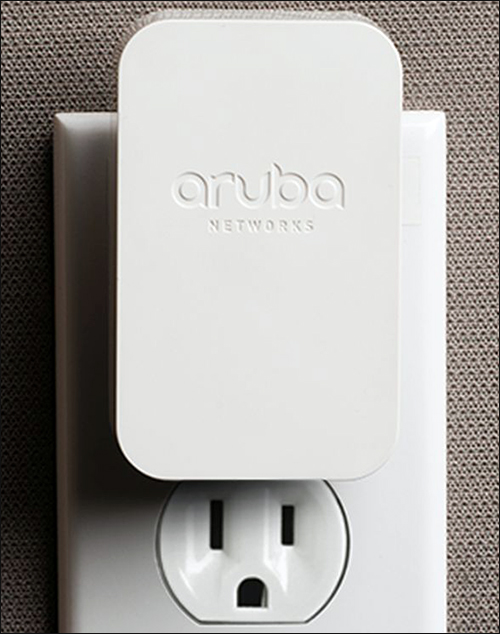
Aruba Networks provided a beacon-based app that helps users navigate their way through the college’s library, as well as access information about its collection of Galileo books and related items.