
The Rules of Encoding
Here’s how to ensure RFID tags and bar codes coexist happily.

Here’s how to ensure RFID tags and bar codes coexist happily.

A survey of more than 800 technology professionals found that most believe more than 1 trillion objects will be connected to the internet by 2022, using RFID and other technologies.

The technology has made great strides—and there are innovations on the horizon that will advance it even more.

A research project aims to link clothing to the Internet so items can be shared or donated automatically to charities when they are no longer being worn.
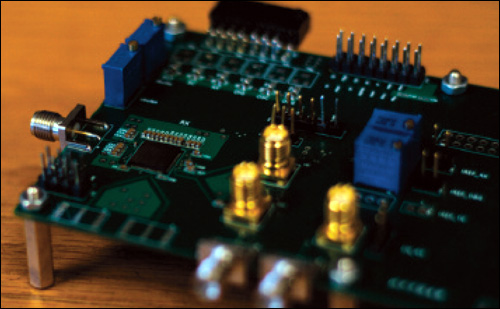
Researchers at North Carolina State University have applied a new technology called RF-only logic to create passive RFID chips that are 25 percent smaller than today’s integrated circuits.

Avery Dennison’s tags can track totes in the supply chain and perishable items in stores; Keonn’s interactive AdvanLook solution engages customers; NXP’s Ucode DNA chip provide scryptographic authentication of vehicles.
Casual, fast-casual and quick-serve restaurants adopt wireless technologies to enhance the customer experience, ensure food safety and improve operations.

Companies using radio frequency identification to automatically track and manage assets are lowering costs, increasing revenue, and improving customer satisfaction and employee morale.

Some view the big productivity gains RFID technology can bring as a threat to workers’ jobs and wages, but the reality is complex.
Lux Research sees hot future for IoT in cold chains; Teradata announces new analytics tools for vertical applications; Chronicled creates blockchain chip registry for IoT consumer products; Juniper points to strong growth for embedded SIM applications.