
Navigating a Critical Road in the Dark
Many companies are deploying radio frequency identification systems without doing their homework and without good guidance.

Many companies are deploying radio frequency identification systems without doing their homework and without good guidance.
London to host free LoRa network; survey reveals progress and blind spots with the IoT; a new report from Akamai says Secure Shell protocol not secure at all, while MITRE offers money and access to stoke a new IoT security solution; Gooee to integrate PointGrab tech for building automation apps.
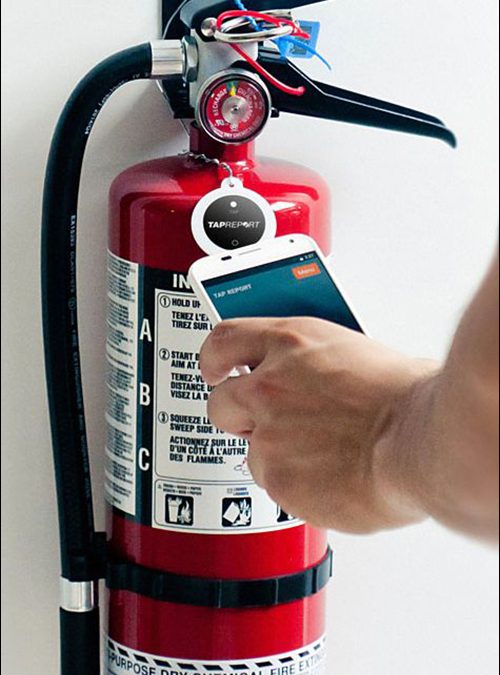
A solution from Tap Report enables inspectors and maintenance workers to access and write data about a piece of safety equipment with the tap of a phone against an NFC RFID tag.
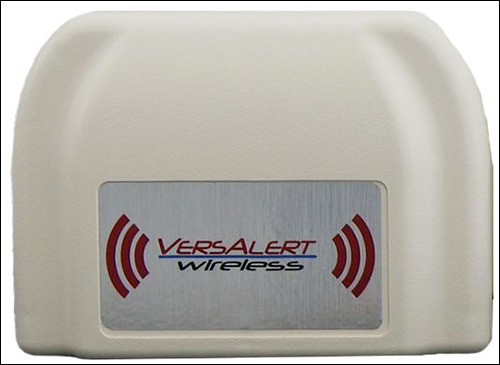
Thinfilm announces new U.S. high-volume fabrication facility ••• Custom BioGenic Systems intros VersAlert wireless temperature-monitoring system ••• Virtual beacon company Mist closes on $28 million funding round ••• GAO RFID unveils enhanced hands-free advanced parking solution ••• NFC Forum announces new technical specifications ••• AIM publishes standard for evaluating RFID’s effects on medical devices.
RFID in Aerospace and Defense will help attendees determine how to deploy RFID in their operations.

Speaking at last week’s RFID in Retail and Apparel conference, Bill Connell, the company’s SVP of logistics and operations, said Macy’s aim is to have all items RFID-tagged at the source by the end of 2017.
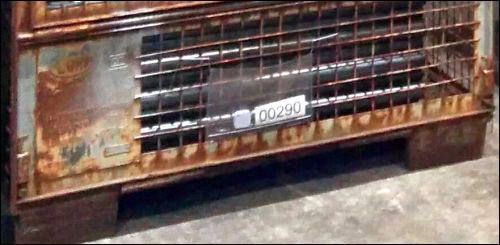
Altrad is using Smartly’s SINTRA system to track the locations of steel scaffolding tagged with Bluetooth beacons, with Samsung phones and tablets functioning as tag readers.

On Monday, two groups that have spent the past few years developing competing open-source communication standards for Internet of Things devices announced that they will merge. But there is still plenty of reconciliation to do before consumers can enjoy interoperable IoT devices—if they ever do.

In the near future, fitness trackers could double as heart-health trackers.
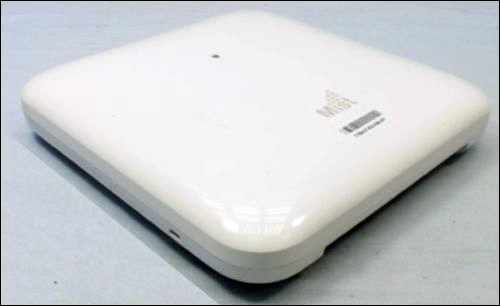
The company says one of its devices can create unlimited virtual Bluetooth Low Energy (vBLE) beacons within a 2,500-square-foot area, sparing a store the expense of installing and maintaining battery-powered beacons, and enabling it to change those beacons’ locations merely by updating the software settings.