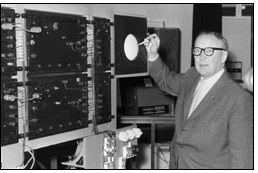
The History of RFID Technology
Radio frequency identification has been around for decades. Learn how it evolved from its roots in World War II radar systems to today’s hottest supply chain technology.

Radio frequency identification has been around for decades. Learn how it evolved from its roots in World War II radar systems to today’s hottest supply chain technology.
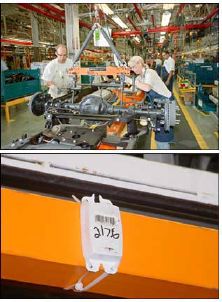
There are many different types of radio frequency identification technology. This article explains the difference between active and passive tags and between low-, high- and ultra-high frequency systems.
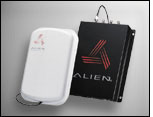
A radio frequency identification system that delivers business value includes more than just tags and readers.
It’s commonly said that there are no standards in RFID. In fact, there are many well-established standards and a few emerging standards. Here’s a guide to the most important ones.
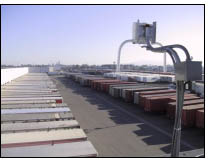
Radio frequency identification can be used in many different ways to create value. Here are the most common ways businesses are using RFID today.
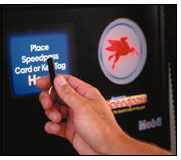
RFID technology has only recently begun to be used in consumer applications, but there are many potential benefits.
Before you begin an RFID pilot or rollout, there are some important questions you need to ask RFID tag and reader providers to guarantee the success of the project and future-proof your investment.
Most companies will turn to a systems integrator to install readers and link their RFID system to backend databases and applications. Here are the issues you need to consider before choosing an integrator.
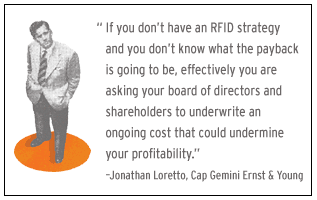
The approach each company takes toward an RFID deployment can make the difference between disaster and profitability. Here are three basic strategies that companies can adapt to further their long-term business goals.
To achieve a return on investment in RFID, companies need to have different departments work together to solve the many minor, low-level problems that contribute to a big issue, such as excess inventory. Here’s how to build a bottom-up business case.