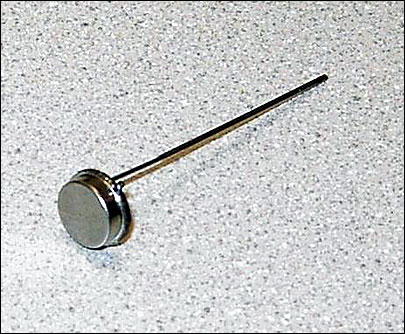
New Tags Use Crystal, Not Silicon
An Austrian company is marketing an RFID system featuring tags containing a piezoelectric crystal able to operate in extreme temperatures.

An Austrian company is marketing an RFID system featuring tags containing a piezoelectric crystal able to operate in extreme temperatures.
ABI Research says NFC on a three-year growth trajectory; compliance promotion from IP Smart Packaging, IDVelocity; T3Ci receives $8.75M series B funding; CompTIA approves OTA’s RFID curriculum; Zebra announces Chinese reseller and agreement with MedAssets; Parelec creates certified printer program.
New survey data from AMR Research sheds light on why the automotive industry isn’t embracing RFID more enthusiastically to cut down on the wildly inefficient process of replacing nondisposable containers, a process that costs the industry an estimated $1.4 billion annually. This article elaborates.

Work is being carried out to deploy a 16-by-16-foot RFID reader antenna at a chute on the Columbia River to track tagged salmon whizzing past at 60 miles per hour.
ABI Research has released a report on near field communication (NFC), predicting that the next three years will see important maturation for both the technology itself and the NFC market. This article provides a recap.
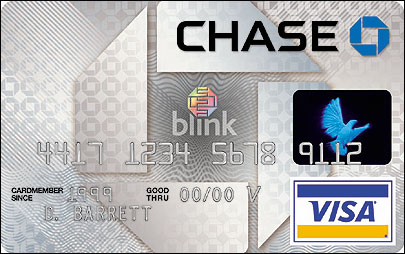
The bank is sending blink cards to 3 million Eastern U.S. cardholders, stating they’ll soon have 3,000 places to use them.

In New York City and Atlanta, USA Technologies is installing RFID-enabled cashless payment terminals in vending machines and kiosks.
Forbes yesterday reported in an article on RFID that tag prices are currently at 7.2 cents in quantities of 10 million. In fact, the 7.2 cent pricing is for inlays. This editorial from RFID Update editor Will Smith explores why this common mistake can have a detrimental effect on the industry.

Despite a successful trial using RFID in its supply chain, KiMs says it won’t resume using the technology until its logistics supplier and retailers begin doing so.
This guest article from Mike Guillory considers Korea’s ever increasing RFID leadership in the Asia/Pacific region, as evidenced by the recent RFID/USN Korea 2005 Conference in Seoul.