Lab to Demo Gen 2 Features at RFID Journal LIVE!
Daniel Deavours, research director at the RFID Alliance Lab, will demonstrate some of the EPC Gen 2 protocol’s advanced features and capabilities on the exhibition floor.

Daniel Deavours, research director at the RFID Alliance Lab, will demonstrate some of the EPC Gen 2 protocol’s advanced features and capabilities on the exhibition floor.
A test involving car tires demonstrates the importance of designing an RFID deployment that can read tags individually.
The debate over whether high-frequency or ultrahigh frequency tags are best for tracking items is now in full swing.
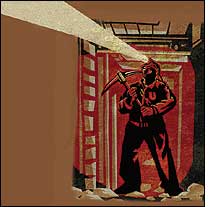
The mining and energy industries face numerous challenges, many stemming from the dangerous work that’s done in harsh terrain. RFID could bring several benefits at once, including protecting workers and the environment, tracking expensive assets and boosting productivity.
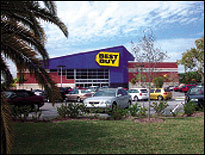
Store associates have embraced radio frequency identification.

Mounting the slope of RFID enlightment.
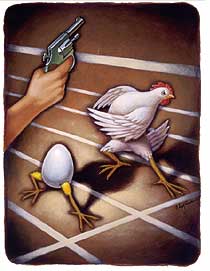
Manufacturers won’t benefit from tagging their items until RFID becomes widely adopted, but that won’t happen until manufacturers tag their items.
I recently had the pleasure of interviewing David Brock for an “Out in Front” story. Brock is the mad scientist who, back in 1996, came up with the ridiculously implausible idea of embedding a radio frequency identification tag in every item manufactured on Earth. A decade later, Brock’s idea not only doesn’t seem so farfetched, it’s actually starting to happen.
By learning how to use RFID to fight counterfeiting, we know what’s needed to make the EPCglobal Network secure.

EPCglobal standards can help improve the safety and longevity of aircraft.