
Sensors Enable Table to Keep Score
A new table tennis net with special vibration-detecting nanosensors is able to keep track of players’ scores during a match automatically.

A new table tennis net with special vibration-detecting nanosensors is able to keep track of players’ scores during a match automatically.
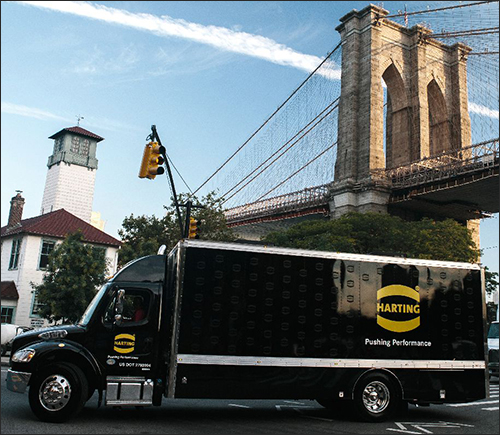
As it visits hundreds of potential and existing customers across the U.S. and Canada, the 33-foot-long vehicle uses RFID technology to help viewers learn more about the company’s products.

For gas companies in Mexico, the process of refilling a customer’s liquefied petroleum gas tanks is a guessing game. A startup called Nube plans to use IoT technology to change that.
As sophisticated as artificial intelligence is getting, computers still can’t interpret what’s happening in the real world—unless auto-ID systems feed them the data they need.

Successful organizations must be able to securely manage ever-evolving devices and connected things, as well as the billions of relationships between these devices, their users and digital services that come with the IoT.
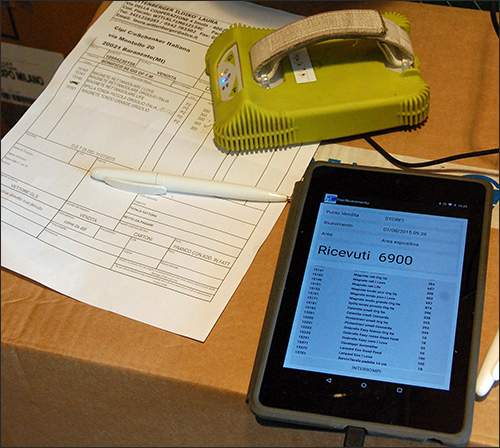
Every piece of merchandise received by the Shop of the Italian Pavilion is identified via an EPC UHF tag, to ensure that none of the Italian-themed merchandise is out of stock, as well as expedite sale transactions and control theft.
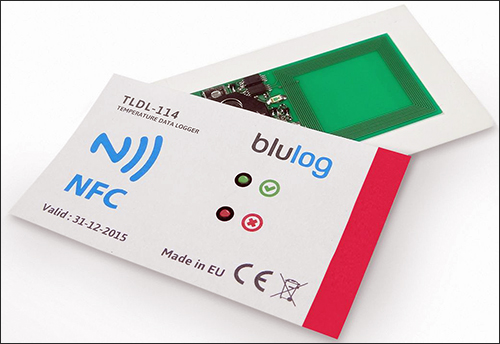
The company’s battery-powered device, currently being used in pilot projects, features a passive NFC RFID inlay for downloading temperature data via an NFC-enabled Android smartphone.
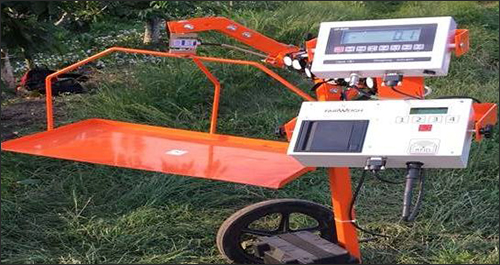
The system, developed by Washington State University researchers, links the weight of each load of cherries with the worker who picked them.
Marks and Spencer, Marc O’Polo, Moods of Norway, River Island and other industry leaders will be featured at the 11th annual European conference and exhibition.
Beyond public announcements of RFID deployments, there are plenty of trends that indicate the pace of adoption is quickening.