Metro Moves Tagging Up the Supply Chain
The German retailer is having its Chinese supply chain partners apply passive tags to cases of goods and active tags to cargo containers, as part of a test to identify and reduce delays and bottlenecks.

The German retailer is having its Chinese supply chain partners apply passive tags to cases of goods and active tags to cargo containers, as part of a test to identify and reduce delays and bottlenecks.

Version 3.0 of RFID Anywhere is designed to act as a central warehouse for all types of RFID data, while adding business context to that data.
The credit-card company is promoting its global spec for RFID-enabled Visa credit and debit cards. It has also announced a U.K. rollout.
The Smart Card Alliance has come out against a decision by the US goverment to use Gen2 technology in its passport card initiative. The SCA issued an official statement earlier this week laying out an argument for why RFID technology based on an existing smart card standard, and not Gen2, is preferable for the program.

The Birmingham, Ala., hospital is using the technology to track medical equipment and patients.
Leading academics focused on RFID have announced plans to hold one event in the United States, colocated with RFID Journal LIVE!, and another in Europe.

Using RFID technology from AeroScout, the solution is designed to work with a hospital’s existing Wi-Fi infrastructure.

The technology enables the company to record those entering or leaving the facility, providing critical information in the event of a natural or manmade disaster.

The company will use active tags to help it track auto parts, manufacturing processes and finished vehicles.
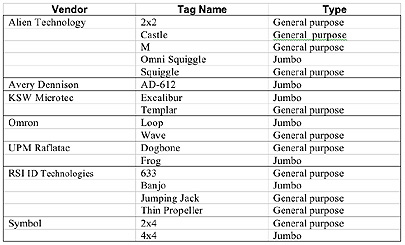
The RFID systems integrator and testing firm has published its eighth RFID product-testing report, this time evaluating the ability of select EPC Gen 2 passive tags to perform across all frequencies within the UHF range.