Purdue Moving OxyContin RFID Pilot to Full Production
By midyear, the drugmaker plans to roll out a full-scale implementation, after which every bottle and case of the painkiller will carry an EPC Gen 2 tag.

By midyear, the drugmaker plans to roll out a full-scale implementation, after which every bottle and case of the painkiller will carry an EPC Gen 2 tag.
The company believes its PAD card, which incorporates a fingerprint scanner for authentication, is well suited for use for the RFID-enabled passport card proposed by the U.S. Departments of Homeland Security and State.
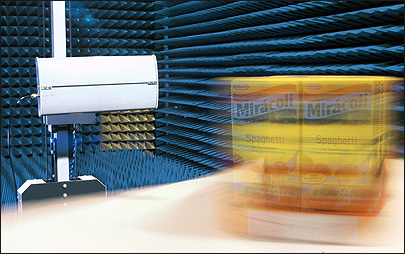
Housed within the Metro Group RFID Innovation Center, the EPCglobal-accredited test facility is launching new training courses and consulting on RFID pilots.
Purdue today announced *increased development* to its two-year old RFID pilot for tagging the widely-counterfeited painkiller OxyContin. Vendors involved in the pilot include Gen2 equipment manufacturer Impinj, packaging performance management solutions provider SYSTECH International, and value-added systems integrator ADT.
In an effort to curtail the growing number of non-native reptiles in the wild, the state will require owners to implant low-frequency tags in their animals.

The first project within this initiative will use 433 MHz active RFID tags to track flatbed trailers transporting parts and subassemblies at the company’s manufacturing plant in Decatur.

The number and the quality of entries we received for the inaugural RFID Journal Awards indicates that end users have great stories to tell.

Although HF RFID air-interface protocols operate at a single global frequency, a number of factors hinder the ability of HF tags and readers to achieve interoperability.
An end-user award is good for RFID vendors.
A recent episode of CSI:NY showed an RFID cell phone reader being used in ways that are totally absurd and damaging to the public.