

2017

You Can’t Deploy What You Can’t See
Lack of awareness about RFID products is hindering adoption.
Hire Certified Professionals
The RFID Professional Institute is helping companies be sure that the employees they hire for RFID projects have the knowledge they claim to have.
What Can You Learn at an RFID Event?
A lot—and not just from those who have deployed a solution in your industry or in an application similar to the one you are considering.
Is Retail Approaching the Tipping Point for RFID?
Data presented at last week's RFID in Retail and Apparel event suggests that adoption of RFID to manage apparel inventory is accelerating quickly.
Is Retail Approaching the Tipping Point for RFID?
Data presented at last week's RFID in Retail and Apparel event suggests that adoption of RFID to manage apparel inventory is accelerating quickly.Registration Now Open for RFID in Aerospace and Defense
The one-day conference, to be held on Dec. 13, 2017, will feature fast-track RFID training on Dec. 12, prior to the event's opening.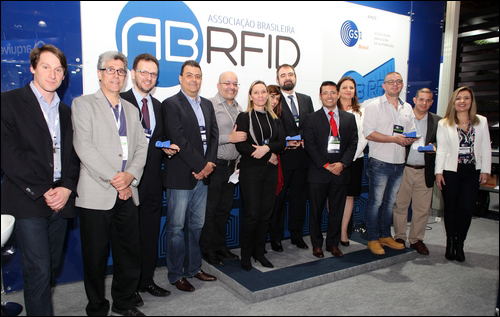
ABRFID Announces Winners of Its 2017 IoT RFID Awards
The first edition of the prize was handed out to companies in three vertical categories, as well as in the GS1 EPCglobal category. In addition, an award was given to an outstanding professional who has helped to develop Brazil's RFID ecosystem.RFID Journal to Hold RFID in Retail and Apparel Event in New York City on Sept. 26, 2017
The one-day conference is designed to help retailers and brand owners learn how they can benefit from deploying RFID.
RFID Journal’s Fall Events Lineup
We'll be hosting conferences for retailers and brand owners in September, for businesses in Europe in November, and for those in the aerospace and defense sectors in December.